


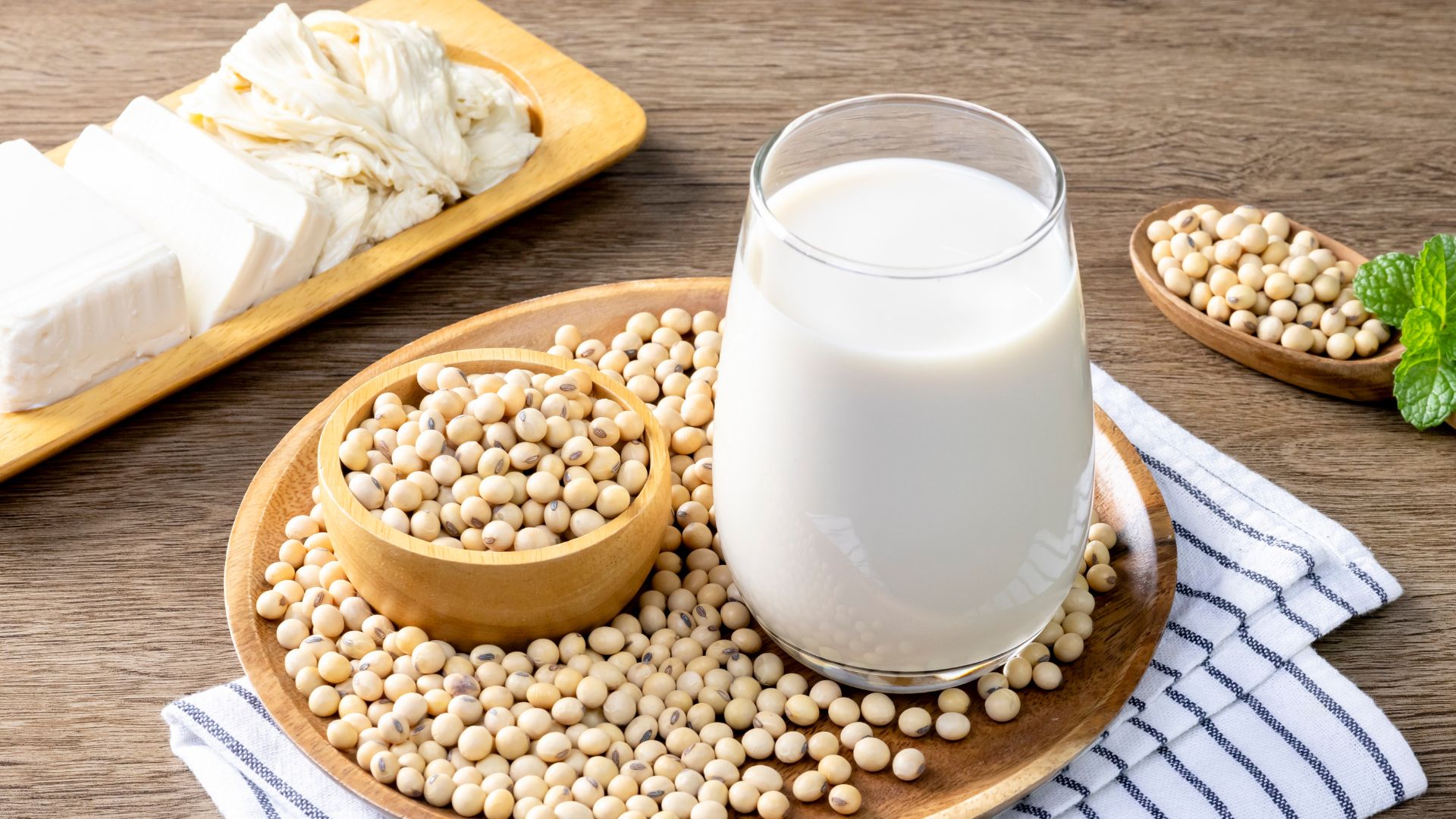

Protein in milk is a complete, high-quality protein that contains all nine essential amino acids your body needs. It supports muscle growth, bone health, immunity, tissue repair, and overall wellness. The two main types of milk protein, casein and whey, work together to provide both slow- and fast-releasing nutrition, making milk one of the healthiest everyday protein sources.
Milk has been an important part of a balanced diet for generations. Besides being rich in calcium, vitamins, and minerals, it provides high-quality protein that supports growth, strength, and overall health. Whether you’re a parent looking to support your child’s development, an active adult, or simply someone who wants to make healthier dietary choices, understanding the protein in milk can help you appreciate why it remains one of nature’s most nutritious foods.
This guide explains the types of protein in milk, its nutrition facts, health benefits, and why including milk in your daily diet is a simple way to support overall well-being.
Quick Facts About Protein in Milk
| Fact | Details |
|---|---|
| Protein per 250 ml milk | Approximately 8 grams |
| Protein quality | Complete protein |
| Main protein types | Casein (80%) and Whey (20%) |
| Essential amino acids | All 9 present |
| Best known for | Muscle growth, bone health, immunity, tissue repair |
| Suitable for | Children, adults, athletes, and older adults |
Key Takeaways
- Milk is a complete protein containing all nine essential amino acids.
- A 250 ml glass of milk provides approximately 8 grams of high-quality protein.
- Milk contains casein (80%) and whey (20%), offering both sustained and fast protein release.
- Protein in milk supports muscle growth, healthy bones, immunity, and tissue repair.
- Drinking milk regularly can help people of all ages meet their daily protein needs as part of a balanced diet.
What Is Protein in Milk?
Protein is an essential nutrient that helps your body build, repair, and maintain muscles, tissues, skin, enzymes, and hormones. Unlike many plant-based protein sources, milk provides complete protein, meaning it naturally contains all nine essential amino acids that the body cannot produce on its own.
A standard glass (250 ml) of cow’s milk provides around 8 grams of high-quality protein, making it an easy and nutritious way to support your daily protein intake.
High-quality protein is important because your body constantly uses amino acids to repair tissues, produce enzymes and hormones, maintain muscle mass, and support overall health. Since the body cannot store protein like it stores carbohydrates or fats, consuming protein-rich foods such as milk regularly is beneficial.
Protein in milk contributes to:
- Muscle growth and repair
- Healthy bones and teeth
- Hormone and enzyme production
- Immune system support
- Healthy growth and development in children
Why Is Milk Considered a Complete Protein?
Not all protein sources provide every essential amino acid required by the body. Milk is considered a complete protein because it naturally contains all nine essential amino acids in the right balance.
These amino acids help with:
- Building and repairing muscles
- Supporting healthy growth
- Producing enzymes and hormones
- Strengthening the immune system
- Maintaining healthy body tissues
According to guidance from organizations such as the World Health Organization (WHO) and the Food and Agriculture Organization (FAO), consuming adequate high-quality protein is important for healthy growth, tissue repair, and maintaining muscle mass. Because milk naturally provides all essential amino acids, it is widely recognized as one of the highest-quality dietary protein sources.
What Are the Types of Protein in Milk?
Milk contains two primary proteins that complement each other nutritionally.
Casein Protein
Casein makes up about 80% of the protein found in milk.
It is digested slowly, allowing amino acids to be released gradually into the bloodstream over several hours.
Benefits of casein protein include:
- Supports long-lasting muscle recovery
- Helps preserve lean muscle mass
- Keeps you feeling full for longer
- Supports overnight muscle repair
Whey Protein
Whey accounts for the remaining 20% of milk protein.
Unlike casein, whey is rapidly digested and absorbed, making it especially beneficial after physical activity.
Benefits of whey protein include:
- Promotes muscle growth
- Supports faster recovery after exercise
- Rich in branched-chain amino acids (BCAAs)
- Easily absorbed by the body
The natural combination of casein and whey gives milk the advantage of providing both immediate and sustained nourishment.
Nutrition Facts of Milk
Besides protein, milk contains several important nutrients that support overall health.
| Nutrient (250 ml Milk) | Approximate Amount | Health Benefit |
| Protein | 8 g | Supports muscle growth and tissue repair |
| Calcium | 300 mg | Strengthens bones and teeth |
| Vitamin B12 | Present | Supports nerve health and red blood cell production |
| Vitamin D | Present (fortified milk) | Helps calcium absorption |
| Phosphorus | Present | Supports bone health and energy production |
| Potassium | Present | Helps maintain healthy blood pressure |
The nutritional values may vary slightly depending on the type of milk.
How Much Protein Do You Need Every Day?
Daily protein requirements vary depending on age, body weight, activity level, and overall health. Children require adequate protein for healthy growth, while adults need it to maintain muscles and body tissues. Athletes and older adults may benefit from slightly higher protein intake to support muscle recovery and maintenance.
Including milk as part of a balanced diet is a convenient way to contribute to your daily protein requirements while also providing calcium and other essential nutrients.
What Are the Health Benefits of Protein in Milk?
Milk protein offers several health benefits beyond simply building muscles.
Supports Muscle Growth and Recovery
Protein provides amino acids that help repair muscles after exercise and everyday physical activity. Drinking milk after a workout can support muscle recovery and help maintain lean muscle mass.
Promotes Strong Bones
Protein works alongside calcium, phosphorus, and vitamin D to build and maintain healthy bones. Together, these nutrients support bone density and reduce the risk of age-related bone loss.
Supports Healthy Growth in Children
Growing children need protein for proper physical and mental development. Milk supplies high-quality protein that supports healthy muscles, tissues, and overall growth.
Helps Manage Weight
Protein-rich foods increase feelings of fullness, helping reduce unnecessary snacking. As part of a balanced diet and active lifestyle, milk can support healthy weight management.
Strengthens the Immune System
Milk contains proteins and nutrients that contribute to normal immune function, helping your body defend itself against infections.
Helps Maintain Muscle with Age
As people grow older, muscle mass naturally declines. Regular consumption of high-quality protein from milk can help older adults maintain strength, mobility, and independence.
Who Benefits Most from Milk Protein?
Milk protein supports healthy nutrition throughout every stage of life.
Children
Supports healthy growth, stronger bones, and muscle development.
Teenagers
Provides protein needed during rapid growth and increased physical activity.
Adults
Helps maintain muscle health while supporting overall nutrition and wellness.
Athletes and Active Individuals
Supports muscle repair and recovery after exercise.
Older Adults
Helps reduce age-related muscle loss and supports healthy ageing.
Is Milk Protein Better Than Other Protein Sources?
Milk is one of the most nutritious natural protein sources because it combines complete protein with calcium and several essential vitamins and minerals.
| Protein Source | Protein Quality | Complete Protein | Calcium | Best For |
| Milk | High | ✔ | ✔ | Everyday nutrition |
| Eggs | High | ✔ | ✖ | Muscle growth |
| Paneer | High | ✔ | ✔ | Vegetarian diets |
| Lentils | Moderate | ✖ | ✖ | Plant-based protein |
| Chicken | High | ✔ | ✖ | Lean protein intake |
Each protein source has its own nutritional benefits. However, milk offers the advantage of delivering complete protein together with calcium, phosphorus, and vitamins in one convenient serving.
Can You Drink Milk Every Day for Protein?
Yes. For most healthy individuals, drinking milk every day is a nutritious way to increase protein intake while also supplying calcium, phosphorus, vitamin B12, and other essential nutrients.
The ideal amount depends on your age, dietary habits, and nutritional needs. If you have lactose intolerance or a dairy allergy, consult a healthcare professional to determine the most suitable alternatives.
Tips to Get More Protein from Milk
You can easily include more milk in your daily routine by:
- Drinking a glass of milk with breakfast.
- Having milk after exercise to support muscle recovery.
- Adding milk to smoothies, oats, and cereals.
- Using milk in soups, porridge, and healthy recipes.
- Pairing milk with other protein-rich foods as part of a balanced diet.
Common Myths About Milk Protein
Myth: Milk is only for children.
Fact: Adults also benefit from milk protein for maintaining muscle mass, bone strength, and overall health.
Myth: Milk protein is only useful after workouts.
Fact: Your body uses protein every day to repair tissues, produce enzymes, and support immune function, not just after exercise.
Myth: More protein is always better.
Fact: Protein should be consumed according to your age, activity level, and overall nutritional needs as part of a balanced diet.
Final Thoughts
Protein is one of the most valuable nutrients found in milk. With its unique combination of casein and whey, milk provides complete, high-quality protein that supports muscle growth, healthy bones, tissue repair, immunity, and overall wellness. Along with essential vitamins and minerals, milk remains one of the easiest and most nutritious ways to meet your daily protein needs.
While milk is an excellent source of complete protein, it works best as part of a balanced diet that includes fruits, vegetables, whole grains, and other nutrient-rich foods. Choosing fresh, high-quality milk helps you get the maximum nutritional benefits every day.
If you’re looking for nutritious dairy products from the best milk brand, choose Adya Dairy. Our fresh, hygienically processed milk delivers high-quality protein and essential nutrients, helping your family enjoy wholesome nutrition and great taste every day.
Note: The nutritional values mentioned are approximate and may vary depending on the type of milk and serving size. Individual protein requirements differ based on age, activity level, and overall health.