


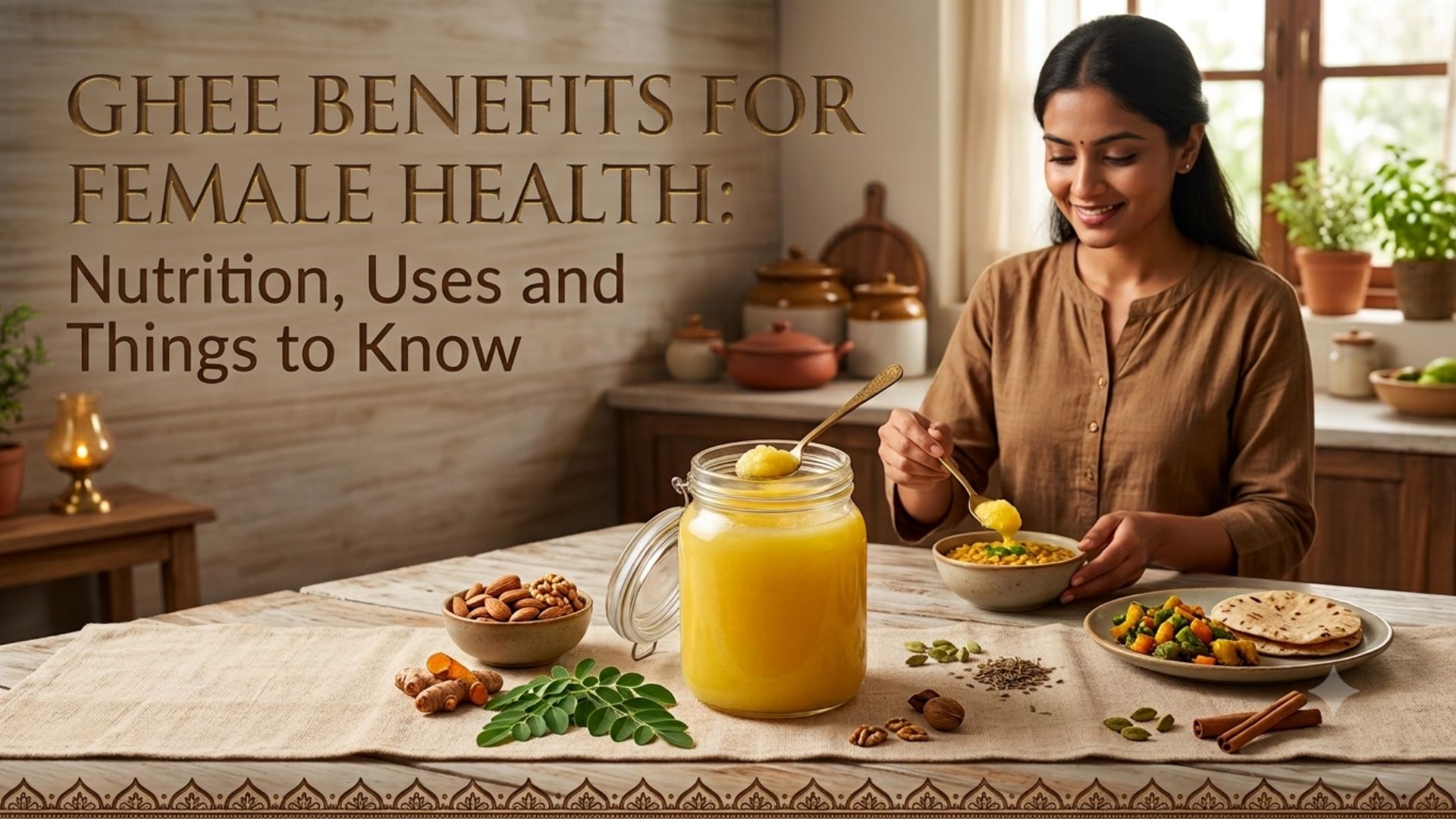

Ghee can provide dietary fat and energy while helping the body absorb fat-soluble vitamins such as A, D, E and K. For women, it can be part of a balanced diet during different life stages, including menstruation, pregnancy and menopause. However, moderate portions are important because ghee is calorie-dense and contains saturated fat.
Key Takeaways
- Ghee provides dietary fat and energy in a concentrated form.
- Dietary fat helps the body absorb fat-soluble vitamins such as A, D, E and K.
- Ghee can be included in a balanced diet during menstruation, pregnancy, postpartum and menopause.
- There is not enough evidence to say that ghee directly balances female hormones or regulates menstrual cycles.
- Ghee should not be considered a treatment for digestive problems, skin conditions or hormonal disorders.
- Because ghee is calorie-dense and contains saturated fat, portion size matters.
- During pregnancy, overall dietary quality and adequate nutrition are more important than increasing ghee intake.
What Are the Nutritional Benefits of Ghee for Women?
Ghee is a clarified form of butter made by removing most of the water and milk solids. It primarily provides fat and energy and may contain naturally occurring fat-soluble vitamins depending on its source and production process.
Dietary fat plays an important role in helping the body absorb fat-soluble vitamins, including vitamins A, D, E and K. Including an appropriate amount of dietary fat with meals containing these nutrients can therefore support their absorption.
Including a moderate amount of ghee in a balanced diet can offer several nutritional advantages:
- Provides energy: Ghee is calorie-dense and can contribute energy to the daily diet.
- Supports nutrient absorption: Dietary fat helps the body absorb fat-soluble vitamins such as A, D, E and K.
- Adds dietary fat: Ghee can contribute to overall fat intake as part of a varied diet.
- May increase meal satisfaction: Fat can contribute to feelings of fullness when included as part of a balanced meal.
- Works well in cooking: Ghee can be used in a variety of Indian dishes, from everyday meals to traditional recipes.
However, ghee should be viewed as one component of a balanced diet rather than a standalone source of nutrition.
What Are the Potential Benefits of Ghee for Female Health?
Ghee can contribute dietary fat and energy to a balanced diet, but its benefits should be understood in the context of overall nutrition. It is not a treatment for hormonal, reproductive, digestive or skin conditions.
1. Provides Dietary Fat for Energy
Ghee is a concentrated source of dietary fat, so even a small serving can contribute energy to a meal. This can be useful when ghee is included alongside nutrient-rich foods.
However, consuming more ghee does not necessarily provide greater health benefits. Because it is calorie-dense, portion size remains important.
2. Supports Absorption of Fat-Soluble Vitamins
One of the important nutritional roles of dietary fat is helping the body absorb fat-soluble vitamins. Vitamins A, D, E and K require dietary fat for absorption.
Adding a moderate amount of ghee to a meal containing vegetables or other foods that provide these vitamins can therefore contribute the dietary fat needed for their absorption.
3. May Support Satiety as Part of a Balanced Meal
Dietary fat can contribute to the feeling of fullness after eating. Including a small amount of ghee in a balanced meal containing protein, fibre and complex carbohydrates may make the meal more satisfying.
However, ghee should not be considered a weight-loss food or a guaranteed way to prevent sugar cravings. Overall meal composition, eating habits and total calorie intake have a greater influence on appetite and weight management.
4. Can Complement Digestive Health
Ghee is sometimes associated with digestive and gut-health benefits because it contains fatty acids, including small amounts of butyrate. However, the evidence for specific digestive benefits from eating ghee remains limited, so these claims should not be overstated.
For better digestive health, dietary fibre, adequate fluid intake, fruits, vegetables, whole grains and legumes are particularly important. Ghee can be included as part of this broader dietary pattern but should not be used as a treatment for digestive conditions.
5. May Contribute to Skin Nutrition
Healthy skin requires adequate overall nutrition, including sufficient dietary fat, protein, vitamins and minerals. Ghee can contribute dietary fat to the diet.
However, eating ghee should not be presented as a guaranteed way to reduce wrinkles, increase collagen production or treat dry skin. Skin health depends on multiple factors, including nutrition, hydration, sun exposure, genetics and skincare.
6. Can Be Part of a Hormone-Supportive Diet
Dietary fats are an important part of a balanced diet and contribute to normal physiological processes, including hormone-related functions.
However, this does not mean that eating ghee directly balances female hormones or regulates menstrual cycles.
A hormone-supportive diet is better approached through overall nutritional adequacy, including sufficient protein, healthy fats, fibre, vitamins and minerals. Women experiencing persistent menstrual irregularities, significant hormonal symptoms or reproductive health concerns should seek appropriate medical advice rather than relying on ghee or another individual food.
7. Can Complement Nutrition During the Menstrual Cycle
During menstruation, women can benefit from meals containing adequate iron, protein, complex carbohydrates, fruits, vegetables and fluids. Ghee can be included in these meals as a source of dietary fat and flavour.
There is no strong evidence that ghee itself regulates periods or treats menstrual disorders. Its role is better understood as part of an overall nutritious eating pattern.
Does Ghee Support Female Hormonal Balance?
Ghee is often described as a food that supports hormonal balance, but this claim needs context. Dietary fats are necessary for normal body functions, including hormone-related processes, but there is not enough evidence to conclude that eating ghee specifically balances female hormones or regulates menstrual cycles.
A hormone-supportive diet is better approached through overall nutritional adequacy, including sufficient protein, healthy fats, fibre, vitamins and minerals. If you have persistent menstrual irregularities, symptoms of hormonal imbalance or fertility concerns, consult a qualified healthcare professional.
Can Ghee Help With Digestion and Gut Health?
Ghee can be included in a balanced diet, but it should not be considered a treatment for digestive problems. Ghee contains small amounts of butyrate and other fatty acids, which are sometimes associated with gut health.
However, the amount of these compounds in ghee should not be overstated. For maintaining digestive health, a diet rich in fibre from vegetables, fruits, whole grains, legumes, nuts and seeds is generally more important.
If you experience persistent bloating, constipation, diarrhoea, abdominal pain or other digestive symptoms, seek medical advice rather than relying on ghee as a remedy.
How Much Ghee Should Women Eat Per Day?
There is no universal daily amount of ghee that is suitable for every woman. The appropriate quantity depends on total calorie intake, physical activity, dietary pattern and individual health needs.
For some people, 1–2 teaspoons of ghee per day may fit into a balanced diet, provided overall fat and calorie intake remains appropriate. However, this is a general dietary example rather than a medical recommendation for everyone.
It is also important to consider other sources of fat in the diet, including cooking oils, butter, nuts, seeds and dairy products.
Ghee is relatively high in saturated fat. For this reason, it is important to keep overall saturated-fat intake within recommended limits and include a variety of fat sources in the diet.
If you have been advised to restrict saturated fat or calories, consult a qualified healthcare professional or registered dietitian before increasing your ghee intake.
Read More: https://adyadairy.com/ghee-vs-butter-which-is-healthier/
What Are the Best Ways to Use Ghee in a Daily Diet?
Ghee is versatile and can be incorporated into everyday meals without significantly changing your eating habits.
Add Ghee to Roti or Paratha
A small amount of ghee can be brushed over freshly prepared roti or paratha for added flavour. Since parathas can already contain considerable amounts of fat, portion size should be kept in mind.
Use Ghee With Dal and Rice
Adding a teaspoon of ghee to dal-rice is a simple way to enhance flavour while incorporating dietary fat into the meal.
Use Ghee for Cooking
Ghee can be used for sautéing vegetables, preparing tadka and cooking a variety of Indian dishes. Using an appropriate quantity helps prevent unnecessary calorie intake.
Add Ghee to Traditional Recipes
Ghee is commonly used in foods such as khichdi, halwa and other traditional preparations. Because some of these dishes can also contain added sugar or refined carbohydrates, moderation is important.
Is Ghee Good for Women During Different Life Stages?
Women’s nutritional requirements can change throughout life. While ghee can be included in a balanced diet at different stages, it does not become medically necessary at any particular stage.
During Reproductive Years
Women need adequate protein, carbohydrates, fats, vitamins and minerals as part of a balanced diet. Ghee can be one source of dietary fat but should complement rather than replace nutrient-rich foods.
Women experiencing persistent irregular periods, severe menstrual pain or fertility concerns should consult a healthcare professional rather than relying on dietary changes involving ghee.
Is Ghee Safe During Pregnancy?
Yes, ghee can generally be included in a pregnancy diet in moderate amounts, but pregnancy does not mean women need to consume extra ghee. Ghee is high in fat and saturated fat, so excessive intake can add unnecessary calories.
Pregnant women should choose fresh, hygienically prepared and food-safe ghee and use it as one source of dietary fat rather than as a pregnancy supplement.
There is also no reliable evidence that eating extra ghee makes childbirth easier, improves fetal development or prevents pregnancy complications. Ghee should not replace prenatal vitamins, a balanced pregnancy diet, prescribed treatment or medical care.
Women with gestational diabetes, high cholesterol, weight-related concerns or other pregnancy-related dietary restrictions should follow their healthcare provider’s advice before making dietary changes.
If you are unsure how much ghee is appropriate during pregnancy, consult your obstetrician or a registered dietitian.
During Postpartum Recovery
After childbirth, adequate nutrition is important for recovery and, for women who breastfeed, supporting overall nutritional needs. Ghee can be included as part of a varied diet, but eating extra ghee is not necessary simply because a woman is postpartum.
Meals should prioritise adequate protein, whole grains, fruits, vegetables, fluids and other nutrient-rich foods. Women recovering from childbirth should follow personalised advice from their healthcare provider, particularly if they have specific nutritional or medical needs.
During Menopause
During menopause, maintaining a balanced diet with adequate protein, fibre, calcium and other essential nutrients becomes particularly important.
Ghee can be consumed in moderation, but it should not be relied upon as a treatment for hot flashes, hormonal changes or other menopause-related symptoms.
Are There Any Side Effects of Eating Too Much Ghee?
Ghee is calorie-dense and relatively high in saturated fat. Consuming large amounts regularly can make it easier to exceed daily calorie requirements and may not be suitable for everyone.
Excessive intake may be a concern for people managing their weight, blood lipid levels or cardiovascular risk.
This does not mean that everyone needs to eliminate ghee from their diet. Instead, consider it one part of your overall fat intake and maintain variety in your food choices.
How Should You Choose Good-Quality Ghee?
Quality is important when selecting ghee for regular consumption. Look for products with clear ingredient information, appropriate food-safety and quality standards, reliable sourcing and transparent manufacturing practices.
When choosing ghee, consider:
- Clear labelling: Check the ingredient list and nutritional information.
- Reliable sourcing: Choose ghee from a trustworthy dairy manufacturer.
- Hygienic production: Look for appropriate food-safety and quality practices.
- Freshness: Check the packaging, manufacturing date and storage instructions.
- Consistent quality: Good-quality ghee should have a consistent aroma, flavour and texture.
- Appropriate packaging: Proper packaging can help maintain quality during storage.
Rather than choosing a product solely because of health claims, compare its ingredients, quality, sourcing and manufacturing standards.
Can Ghee Replace Other Cooking Oils?
Ghee does not necessarily need to replace all other cooking oils. Different fats have different fatty-acid profiles, so a varied approach to dietary fat can be appropriate.
A balanced diet may include ghee alongside sources such as nuts, seeds, dairy and plant-based oils. The goal should be maintaining an appropriate overall fat intake rather than assuming that one cooking fat is universally better than another.
Final Thoughts on Ghee and Female Health
Ghee can be a versatile addition to a balanced diet for women when consumed in moderation. It provides dietary fat and energy and can help support the absorption of fat-soluble vitamins. It can complement everyday nutrition during different life stages, but it should not be treated as a cure for hormonal, menstrual, digestive, pregnancy, postpartum or menopause-related health concerns. During pregnancy especially, overall dietary quality is more important than increasing ghee intake.
If you’re looking for quality ghee for everyday cooking, explore Adya Dairy’s range and choose the ghee brand that best suits your family’s dietary preferences and needs.